IoT Connectivity Blog
General information and news from across the IoT Industry.

The Quiet Shift: Is IoT Connectivity Becoming Infrastructure or Is It Still Mostly Talk?
Following the discussions around Mobile World Congress this year, one phrase keeps appearing in industry commentary: IoT connectivity is becoming distributed digital infrastructure.
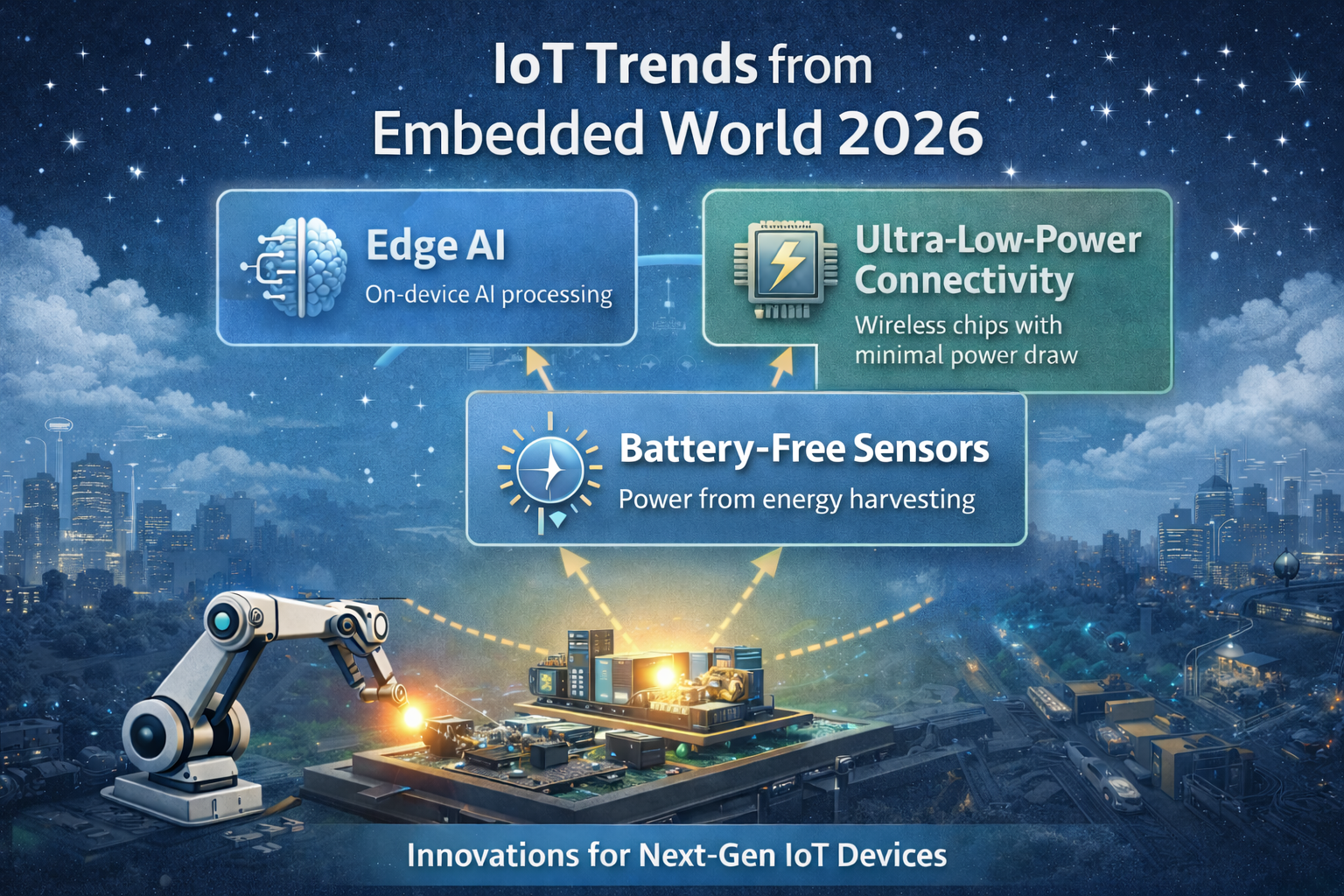
IoT Highlights from Embedded World 2026
While Mobile World Congress tends to focus on telecom networks, Embedded World in Nuremberg is where a lot of the underlying technology behind IoT devices is actually built.
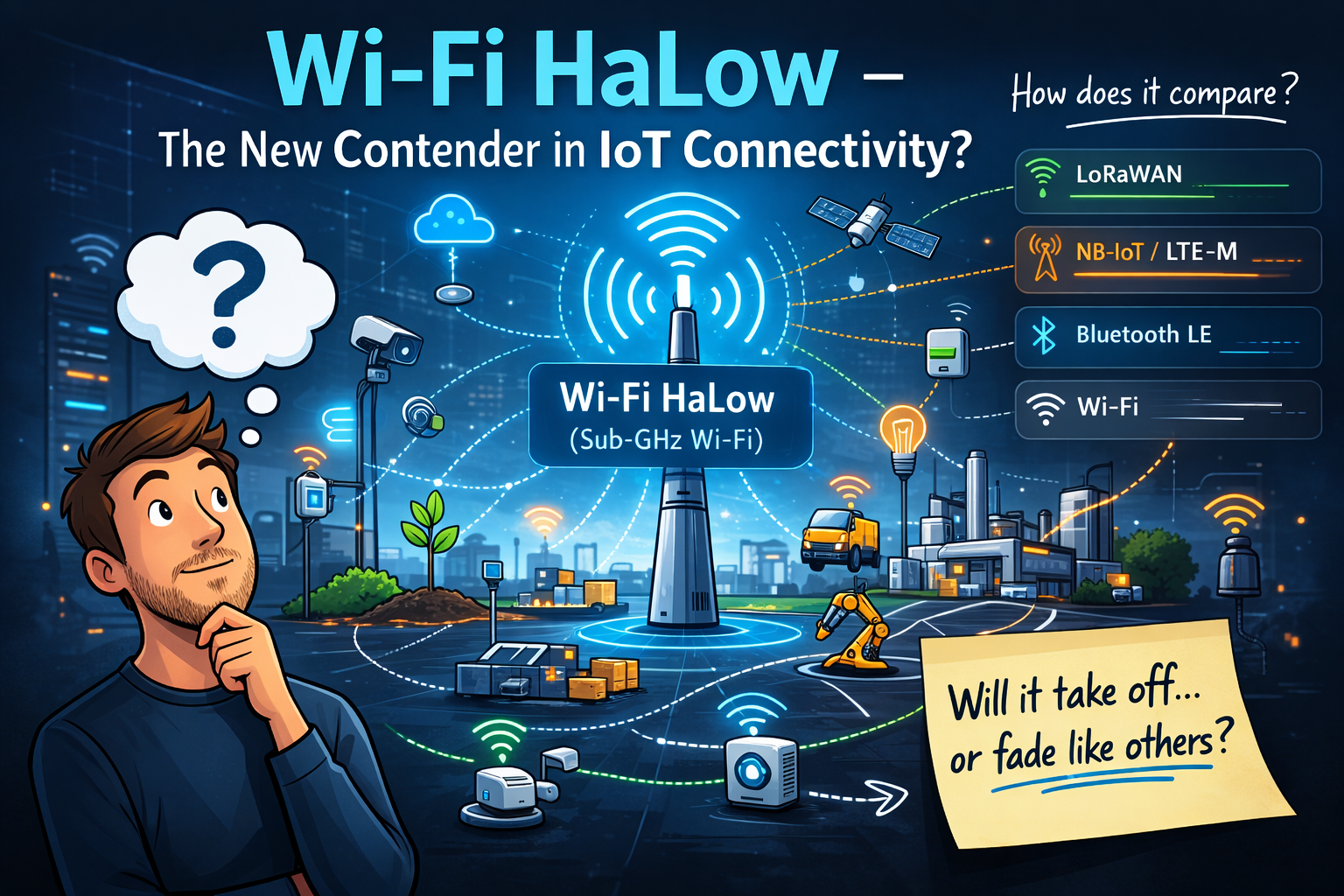
Wi-Fi HaLow – A New Contender in the IoT Connectivity Space?
The IoT connectivity landscape never stands still. Over the years we’ve seen a steady stream of new technologies promising to solve the challenge of connecting large numbers of devices efficiently and reliably.
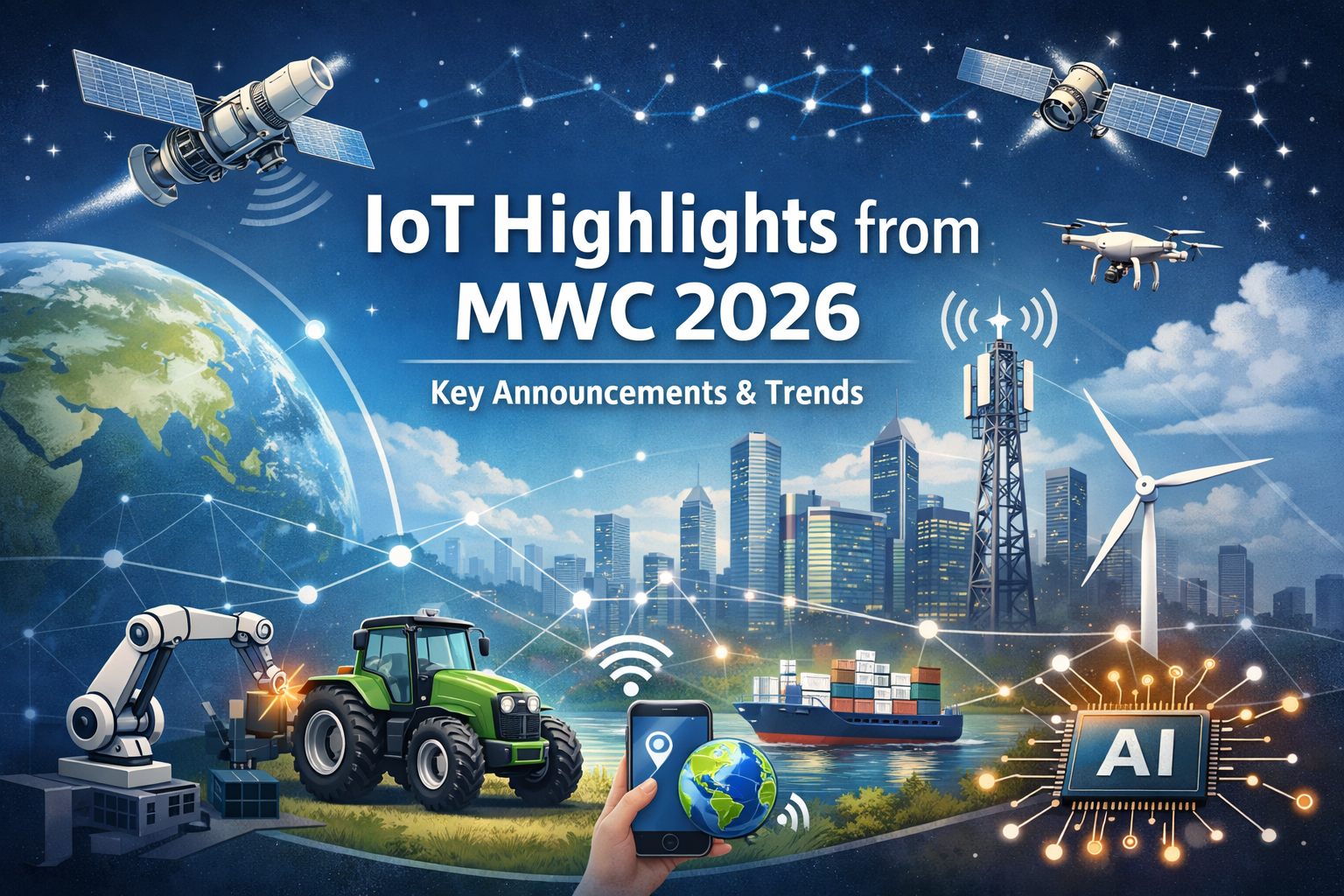
Key IoT Announcements from Mobile World Congress 2026
Every year the mobile industry descends on Barcelona for Mobile World Congress (MWC), and while there’s always plenty of hype around phones and AI, there were also some interesting developments for the Internet of Things (IoT)ecosystem this year. Here are a few of the announcements and themes that stood out for me.
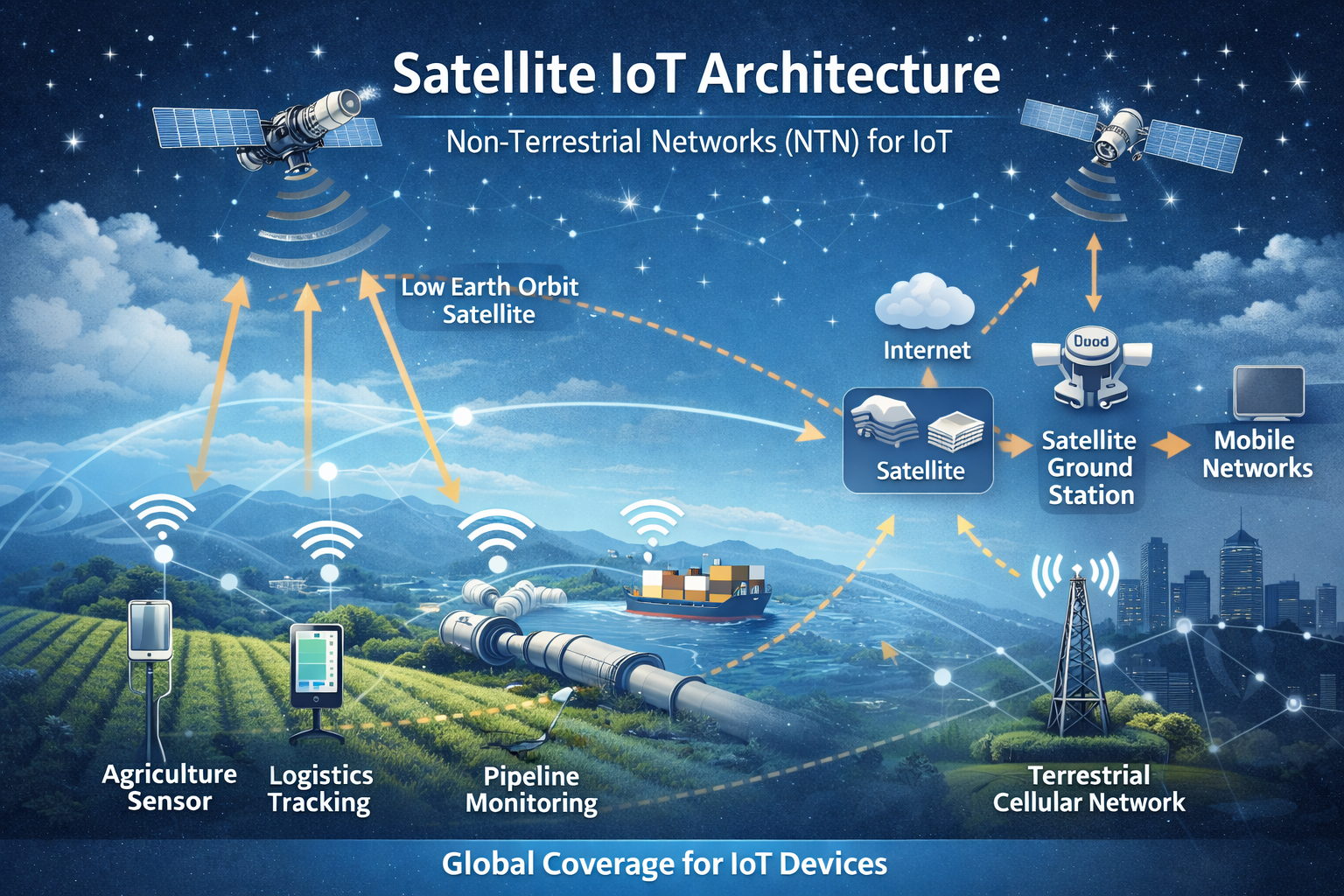
Satellite NTN for IoT – Why It Matters
Over the last few years, one of the most interesting developments in connectivity has been the rise of Non-Terrestrial Networks (NTN) for IoT. In simple terms, NTN refers to using satellites to provide connectivity for IoT devices, complementing traditional terrestrial cellular networks.
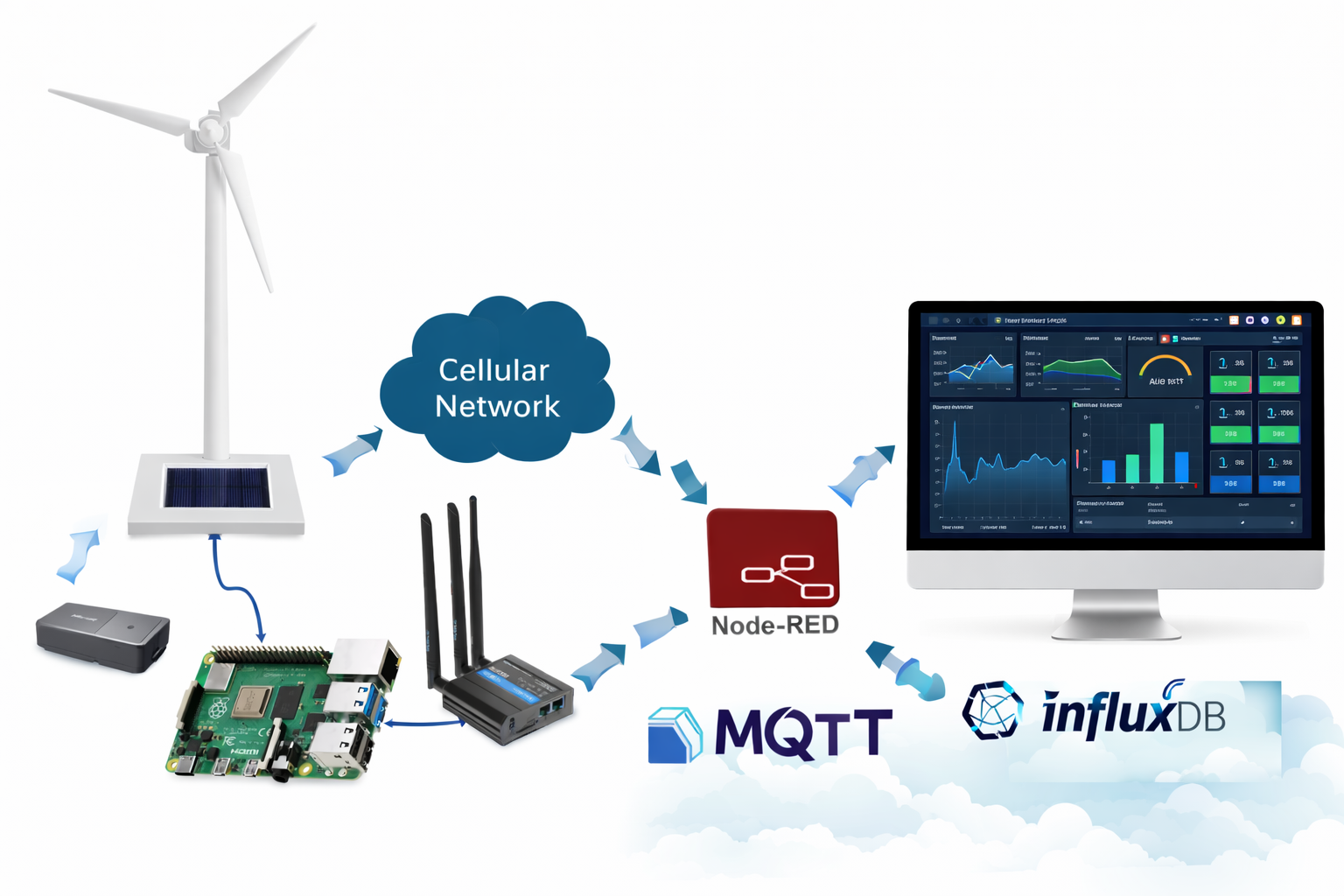
An End-to-End IoT Demo: From Device to Dashboard
The term Internet of Things (IoT) gets used a lot but too often it’s explained in abstract diagrams or glossy marketing slides. This demo project was created to do something different: show a complete, working IoT system, end to end, using the same tools and patterns found in real-world deployments. This is not a simulation running entirely in a browser. It’s a real device (or a realistic stand-in), publishing live data, being controlled remotely, and feeding a production-style data pipeline — exactly how modern IoT systems operate.
Welcome to the blog
Welcome to IoTConnectivity.co.uk — a site created to explore the fast-moving world of the Internet of Things and make sense of how connected devices are shaping industries today